
-
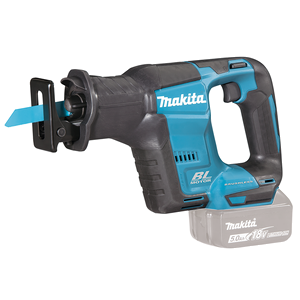
MAKITA 18V DJR188Z RECIP SAW BODY
Regular price £190.80 GBPRegular priceUnit price per -
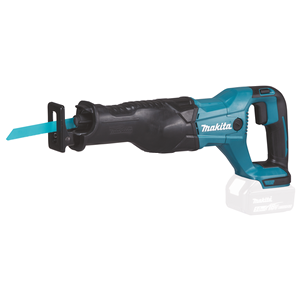
MAKITA DJR186Z RECIPRO SAW BODY
Regular price £119.99 GBPRegular priceUnit price per -
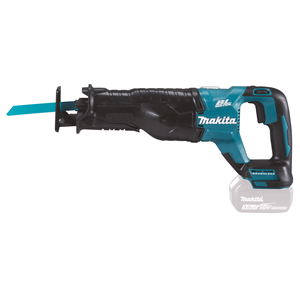
MAKITA DJR187Z BRUSHLESS RECIPRO SAW BODY
Regular price £214.80 GBPRegular priceUnit price per

What a Reciprocating Saw Does
When it comes to fast and aggressive cutting, reciprocating saws excel. They’re built for tasks where precision isn’t the priority - such as cutting through timber, metal pipes, plasterboard, nails, and even pruning jobs. Their push-and-pull blade motion and compact profile make them perfect for working in tight spaces or tackling materials that other saws struggle with.
Reciproacting Saws — Frequently Asked Questions
What is a reciprocating saw used for?
They’re mainly used for demolition, rough cutting, trimming materials to size, cutting pipes, and reaching awkward spaces where larger saws can’t fit.
When should I use it?
Use it when you need speed over accuracy - for example, removing old frames, cutting branches, trimming pipework, or ripping out materials during renovation.
Can I cut wood with it?
Yes. With the right blade, it cuts through wood quickly, including wood with embedded nails.
Can you make straight cuts?
You can, but it’s not designed for perfect straight lines. It’s better suited for rough cuts or curved cuts, not joinery-level precision.
What are the cons?
They vibrate heavily, can be tiring to use for long periods, and aren’t ideal for precision carpentry. Blades also wear quickly depending on the material.
What’s the difference between a reciprocating saw and a chainsaw?
A chainsaw is mainly for heavy-duty timber cutting and outdoor work. A reciprocating model is more controlled, safer indoors, and can cut a wider range of materials.
Which reciprocating saws are the best?
Who makes the best corded reciprocating saw?
Makita, DeWalt, and Milwaukee are often praised for durability, power, and vibration control.
Can I cut 2×4 with it?
Yes - it will cut through a 2×4 easily with the correct blade.
How thick will it cut?
Typical blades can handle anywhere from 1–6 inches depending on material and blade length.
Do they all take the same blade?
Most models use a universal blade fitting, so you can switch between wood, metal, pruning, and demolition blades without issue.