
Choosing the Best Makita Circular Saw (18v) for Your Trade
Below, we have provided a comprehensive breakdown of the core features, and top models to ensure you find the right Makita Circular Saw (18v) for the job
Why upgrade to a Makita 18v Circular Saw
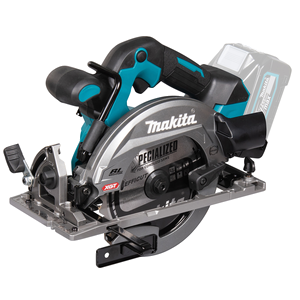
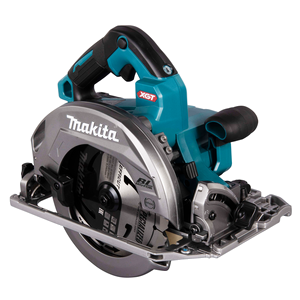
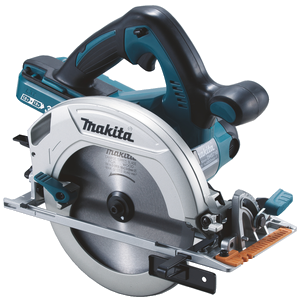
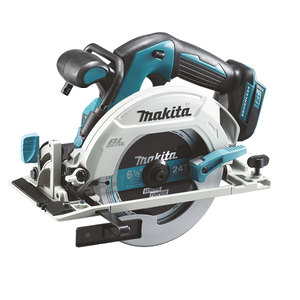
By entering the Makita LXT ecosystem you have the opportunity to use endless tools with one-battery… making it a worthwhile investment! The Makita 18v Circular saw is a popular choice for most tradesmen across all levels with these circular saws being affordable with prices starting as low as £130; a great budget-friendly choice for apprentices starting out. Furthermore, if you’re a professional contractor then using a tool like the Makita DHS680Z and DHS660Z ensures maximum run time, less heat, and innovative features like Automatic Torque Drive Technology (ADT) to manage speed when the blade encounters resistance.
Power and Portability of a Makita Cordless Circular Saw
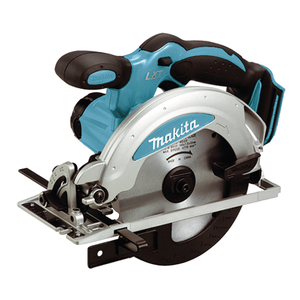
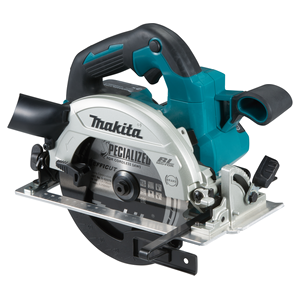
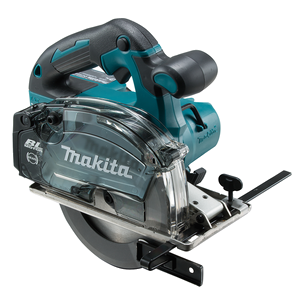
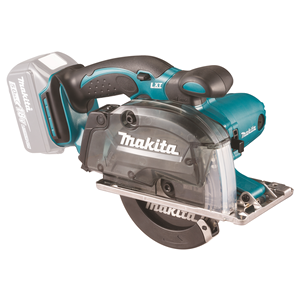
A Makita Cordless Circular Saw is essential for switching between framing, roofing, and internal fit-outs. Subsequently, models like the Makita DSS611Z 18V LXT have a lightweight aluminium base, which helps prevent operator fatigue during overhead work or extended durations of operation. If your workstation lacks adequate lighting, then the Makita DSS610Z 18V LXT includes a built-in LED and dust blower to keep your cut line visible. The Makita DCS552Z 18V LXT Metal Cutting Circular Saw is designed for specialised trades, with a 136mm blade that can securely and quickly cut through unistrut, conduit, and sheet metal.
Making the Most of Cuts with Your Makita Skill Saw
A decent Makita Skill Saw stands out because of its precision and ease of use, due to its many facets. For example, the way the blade is positioned makes a significant difference here. Left-side blade arrangements, like the one on the DHS680Z, are becoming increasingly common since they allow right-handed users to see the cut line clearly and without hindrance. As a result, these 165mm saws include precision-machined bases and simple bevel adjustments to keep your crosscuts and rip cuts straight, reducing waste and saving you time on the job.