


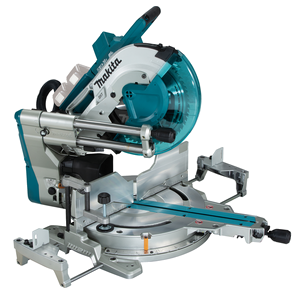
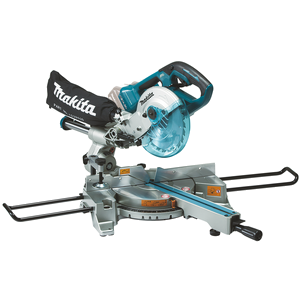

Precision Cutting with a Compound Mitre Saw
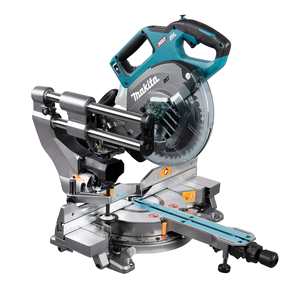
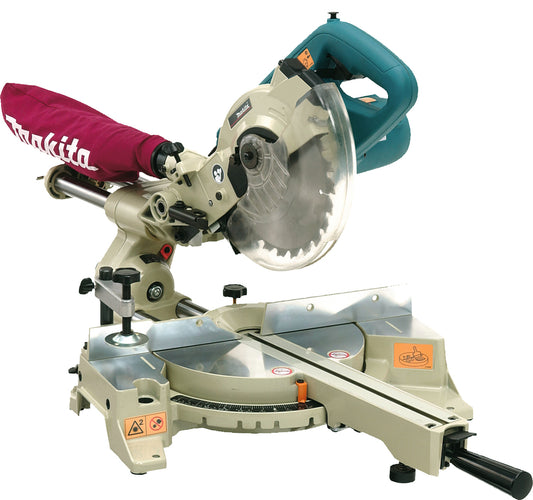
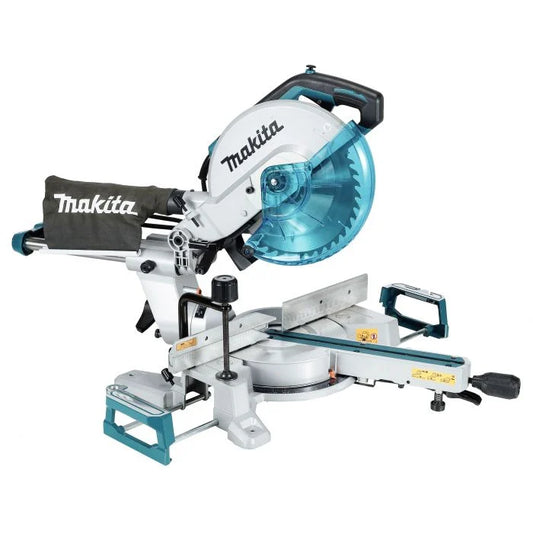
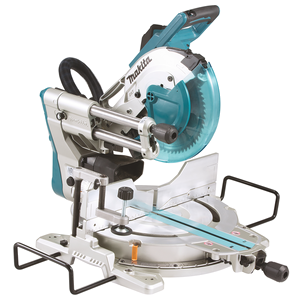
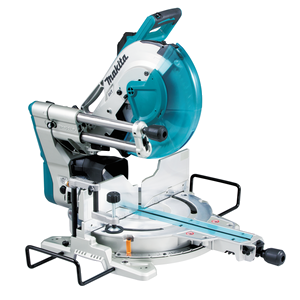
For tradespeople working on crown molding, architraves, or picture frames, achieving a dual-angled cut is essential. A standard compound mitre saw allows the blade to pivot left and right for angled cuts and tilt for beveled cuts simultaneously, saving you time and ensuring seamless joints without needing to constantly flip your workpiece. The Makita range is one of the best in the market at delivering such cuts
Maximize Capacity with a Sliding Compound Mitre Saw
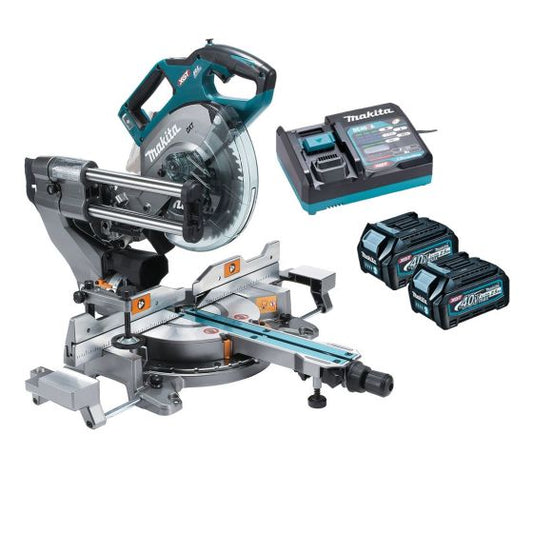
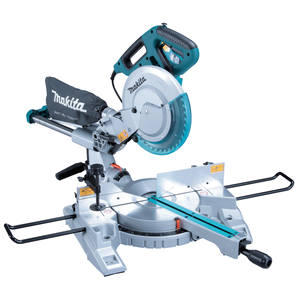
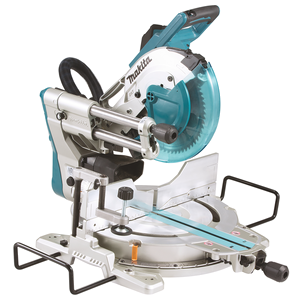
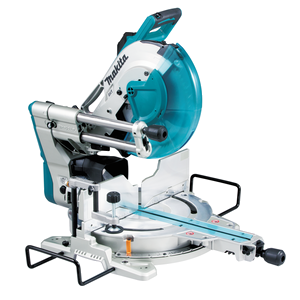
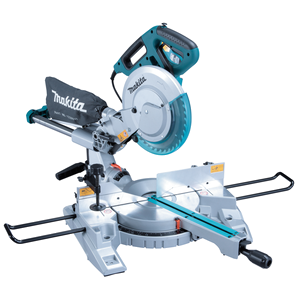
When your projects involve wider boards like large skirting, decking, or structural timber, standard models might not have the reach you need. Upgrading to a sliding compound mitre saw introduces a rail system that lets you pull the blade forward and push it through wide materials, drastically increasing your cross-cut capacity while maintaining millimeter-perfect accuracy.
Heavy-Duty Performance from Your Next Chop Saw
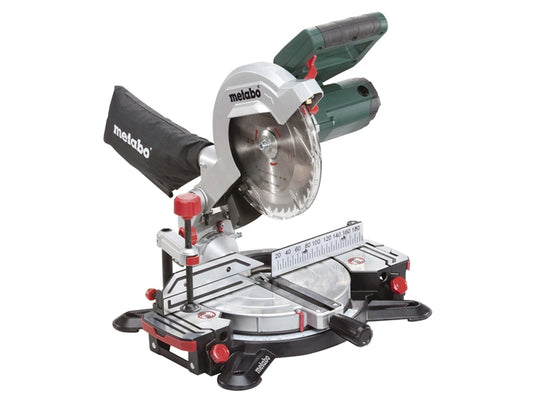
Sometimes, the job simply requires raw downward cutting power for bulk sizing of timber, plastics, or even light metals (with the correct blade). A dedicated chop saw offers rugged stability and high-torque motors, making it the ideal workstation companion for repetitive, heavy-duty straight cuts on busy construction sites.